Steps or Surgery: The Case for Wearables
Relentlessly, rates of chronic disease, depression, and medication use continue to rise — if there were ever a time to implement alternative preventive health tools in clinical practice, now is certainly it.
The Iowa-based health system will leverage b.well Connected Health's platform and services to enable patients to view and share their health data. The platform will also allow patients to access all of UnityPoint's digital tools in one location.
Though the total number of unique apps that integrate with major EHRs, like Epic and Cerner, increased from 600 at the end of 2019 to 734 in December 2020, growth in the number of apps that support the FHIR data exchange standard was stagnant.
A study published by Verily researchers showed that some smartphone metrics, such as sentiment in weekly voice diaries, matched up with the severity of users’ depression as determined by PHQ-9 scores. Even if these technologies could be used to track mental health, it’s not clear how they will fit into physician workflows or how comfortable people will be using their smartphones in this way.
Most apps offering opioid use disorder treatment have access to sensitive identifying information of their users, according to an analysis of 10 of them.
The number of hospitals providing patients electronic access to their health information via apps has increased exponentially over the past decade. But small, rural, critical access and independent hospitals were still falling significantly behind their counterparts as of 2019, a new ONC report shows.
In an interview, Munich Re Specialty Senior Vice President Jim Craig talked about the risk that accompanies innovation and the important role that insurers play.
The government's proposed changes to HIPAA aim to provide guardrails against data breaches and misuse, but some of the modifications may not work as intended. Three healthcare experts delved into the ways in which certain proposals could provide inappropriate access to health data during a recent panel discussion.
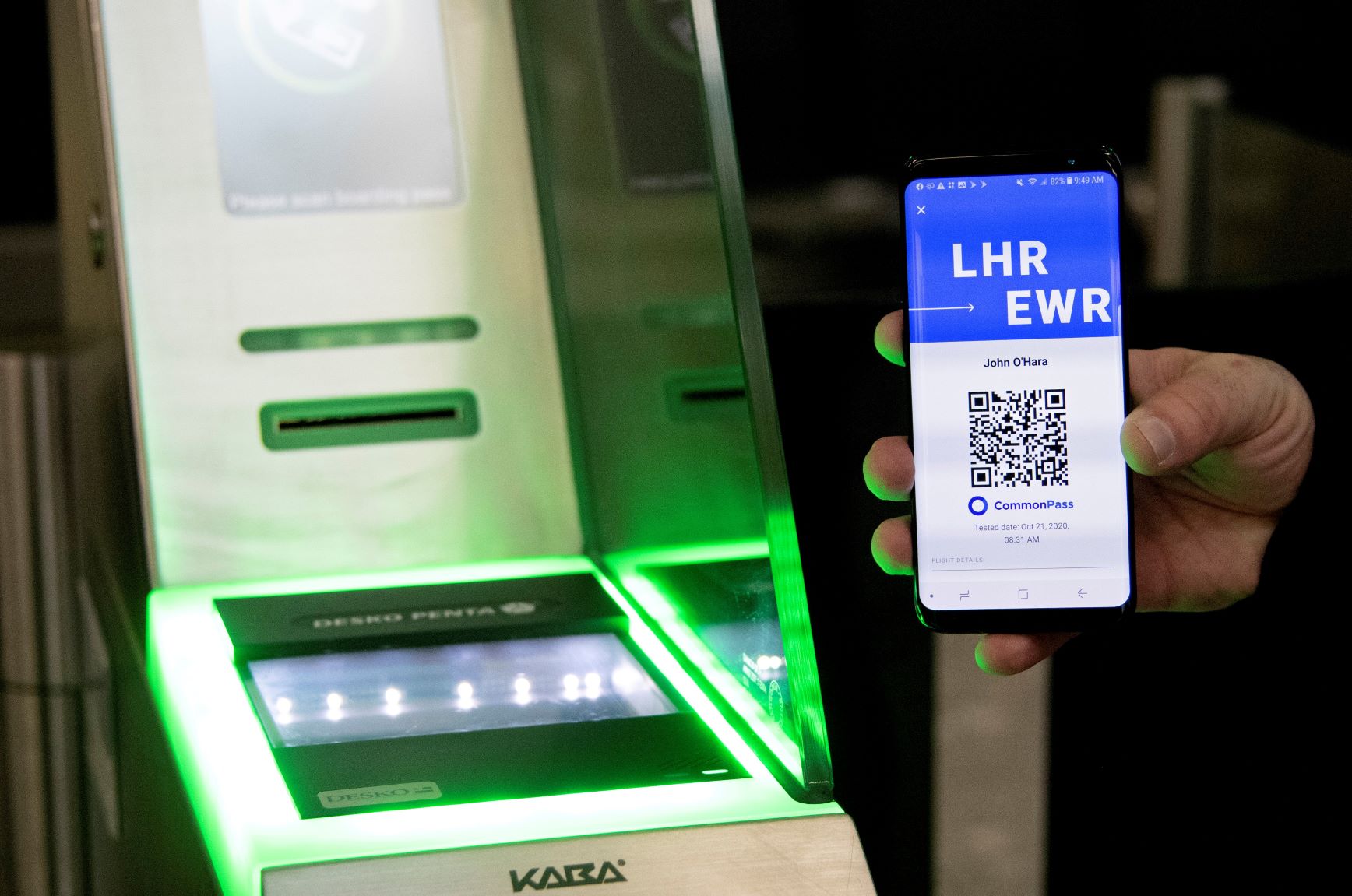
With a number of testing or vaccine pass apps being developed, Apple said it will only accept ones that are being developed in conjunction with test kit manufacturers, laboratories, healthcare providers or other entities recognized by public health authorities.
Health systems and EHR vendors have been working for months to comply with the ONC's final rule on interoperability and information blocking that goes into effect in April and is expected to grant patients unprecedented access to their health information. Here is a look at some of the issues they contended with.
Apple and Google are rolling out a framework for local governments to develop contact tracing apps. But epidemiologists say apps alone won’t be enough.
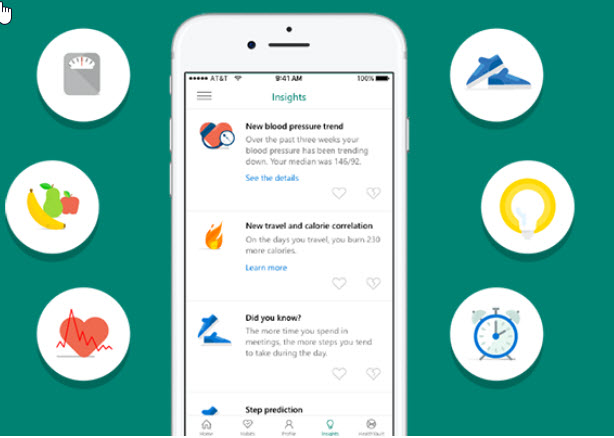
A Microsoft initiative that produced apps to offer analysis and user insights based on personal health records from HealthVault, has ended.
Digital health for chronic illness is no longer a technology problem – it’s an implementation problem.
Medical billing has been an area where healthcare startups see an opportunity to make the process more consumer friendly but while some have gained traction others, such as Remedy Labs, have had to shut down.
In previous surveys by Berlin-based Research2Guidance, respondents views on who would be the most important future distributor of apps have shifted quite a bit since 2010.
The study identified 18 eligible randomized controlled trials of 22 smartphone apps, with outcome data from 3,414 participants.